
Archives
TURBT Surgery in Patna
Expert Bladder Tumor Care with Advanced Endoscopic Surgery.
Advanced Diagnosis and Treatment for Bladder Tumors
Blood in the urine, frequent urination, painful urination, or unexplained urinary symptoms may be signs of a bladder tumor. Early diagnosis and treatment are crucial for achieving the best possible outcomes.
At NIRAMAYAH HOSPITAL, we offer Transurethral Resection of Bladder Tumor (TURBT), a minimally invasive endoscopic procedure used to diagnose, stage, and treat bladder tumors. Using advanced endoscopic technology, our experienced urologists remove abnormal tissue from the bladder without any external incision, helping patients receive accurate diagnosis and effective treatment.
What is TURBT?
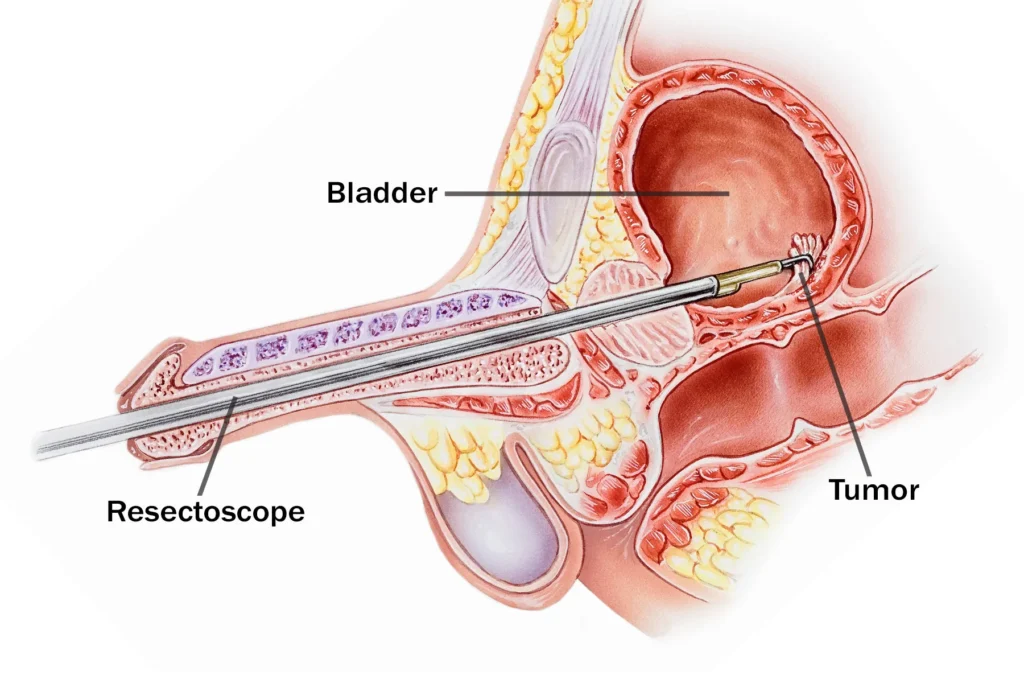
Transurethral Resection of Bladder Tumor (TURBT) is a specialized endoscopic procedure used to diagnose, stage, and treat bladder tumors. It is considered the standard first-line treatment for most non-muscle invasive bladder tumors. During the procedure, a specialized instrument called a resectoscope is inserted through the urethra into the bladder. The surgeon carefully removes visible tumor tissue and sends it for pathological examination.
The procedure helps determine:
- Whether the tumor is cancerous
- The type of bladder tumor
- Tumor grade and aggressiveness
- Depth of tumor invasion
- Future treatment requirements
TURBT plays a crucial role in both diagnosis and treatment planning.
Understanding Bladder Tumors
The bladder is a hollow organ that stores urine before it leaves the body.
A bladder tumor develops when abnormal cells grow inside the bladder lining. Some tumors are noncancerous, while others may be cancerous and require further treatment.
Bladder cancer is one of the most common cancers affecting the urinary tract and is highly treatable when detected early
Symptoms of Bladder Tumors
Patients may experience:
- Blood in urine (Hematuria)
- Frequent urination
- Urgent need to urinate
- Painful urination
- Burning sensation during urination
- Pelvic discomfort
- Difficulty passing urine
- Recurrent urinary tract infections
Any episode of visible blood in urine should be evaluated by a urologist promptly.
Risk Factors for Bladder Cancer
Several factors can increase the risk of bladder tumors, including:
- Smoking and tobacco use
- Chemical exposure in workplaces
- Chronic bladder irritation
- Recurrent urinary infections
- Previous cancer treatments
- Family history of bladder cancer
- Increasing age
Understanding these risk factors can help in early detection and prevention.
When is TURBT Recommended?
TURBT may be recommended when:
- A bladder tumor is identified on ultrasound, CT scan, or MRI
- Blood in urine requires further evaluation
- Abnormal bladder growths are seen during cystoscopy
- Tissue diagnosis is needed
- Bladder cancer staging is required
- Tumor removal is necessary
The procedure is often both diagnostic and therapeutic.
Advanced Care Across Urology, Orthopaedics & Gynaecology In Patna
Whether you need surgery, require consultation for a gynaecological condition, a joint issue or a urological problem, Niramayah Hospital offers comprehensive, specialist-led care all under one roof in Patna.
Diagnostic Evaluation Before TURBT
Our specialists may recommend:
Clinical Assessment
- Detailed medical history
- Physical examination
Laboratory Tests
- Urine analysis
- Urine culture
- Urine cytology
Imaging Studies
- Ultrasound
- CT Urography
- MRI (if required)
Cystoscopy
Direct visualization of the bladder using a camera to identify abnormal growths.
How is TURBT Performed?
Step 1: Anesthesia
The procedure is performed under spinal or general anesthesia.
Step 2: Endoscopic Access
A resectoscope is inserted through the urethra into the bladder.
Step 3: Tumor Resection
The bladder tumor is carefully removed using specialized instruments.
Step 4: Tissue Sampling
Tumor tissue is sent to the pathology laboratory for detailed examination.
Step 5: Bleeding Control
Any bleeding points are controlled using electrocautery techniques.
Step 6: Catheter Placement
A temporary urinary catheter is inserted to aid recovery.
Types of Kidney Transplant
Living Donor Kidney Transplant
A healthy kidney is donated by a living individual, often a family member or compatible donor.
Living Donor Kidney Transplant
A healthy kidney is donated by a living individual, often a family member or compatible donor.
Benefits of TURBT
Key Advantages Include:
- No external incision
- Accurate diagnosis
- Effective tumor removal
- Short hospital stay
- Faster recovery
- Minimal postoperative discomfort
- Essential cancer staging information
- Personalized treatment planning
Recovery After TURBT
Most patients recover quickly following the procedure.
Recovery generally includes:
- Hospital stay of 1–3 days
- Temporary urinary catheter
- Mild burning during urination
- Increased fluid intake
- Follow-up pathology review
- Scheduled cystoscopy surveillance
Patients are usually able to resume normal daily activities within a few days.
Follow-Up After TURBT
Regular follow-up is extremely important because bladder tumors can recur.
Follow-up may include:
- Periodic cystoscopy
- Urine cytology
- Imaging studies
- Additional intravesical therapy if needed
- Long-term surveillance
Our specialists create individualized follow-up plans based on pathology results.
Schedule Your TURBT Consultation
If you have blood in your urine, have been diagnosed with a bladder tumor, or require further evaluation for urinary symptoms, our specialists can help.
Frequently Asked Questions (FAQ'S)
TURBT helps diagnose bladder tumors, determine whether cancer is present, assess the depth of tumor invasion, and remove visible tumor tissue.
Common symptoms include blood in urine, painful urination, frequent urination, urgency, and recurrent
urinary infections.
The procedure usually takes between 30 minutes and 90 minutes depending on the size and number of tumors.
Yes. A temporary urinary catheter is commonly placed after surgery and removed as advised by your doctor.
The cost of TURBT generally ranges from ₹60,000 to ₹2,00,000, depending on tumor size, investigations, pathology testing, hospital stay, and individual treatment requirements.
Yes. Some bladder tumors can recur, which is why regular follow-up cystoscopy and monitoring are important.
PATIENT REVIEW'S
Our patients choose us as the best hospital for treatment due to our quality care and experienced doctors.
Trustindex verifies that the original source of the review is Google. Best in both treatment and hospitality and very easy going atmosphere, definitely worth 5 stars .Posted on GoogleTrustindex verifies that the original source of the review is Google. Very very Thank you so much blood bank niramaya patna hangman nagar 🙏👍👌Posted on GoogleTrustindex verifies that the original source of the review is Google. Blood bank services so good & hospital staff so helpful person..Posted on GoogleTrustindex verifies that the original source of the review is Google. Very good doctor
GET IN TOUCH WITH US!
Contact Niramaya Hospital today to book your appointment or get immediate medical assistance from our expert team.

Welcome to Niramayah Hospital, where advanced medical technology and compassionate care meet. Our state-of-the-art institution has experienced staff, qualified doctors and a team of dedicated professionals.
Contact Info
Urology Care
Laparoscopic Urology
Orthopaedics
Copyright © 2026 Niramayah Hospital. Designed by 
- Terms & Conditions
- Privacy Policy
- FAQ